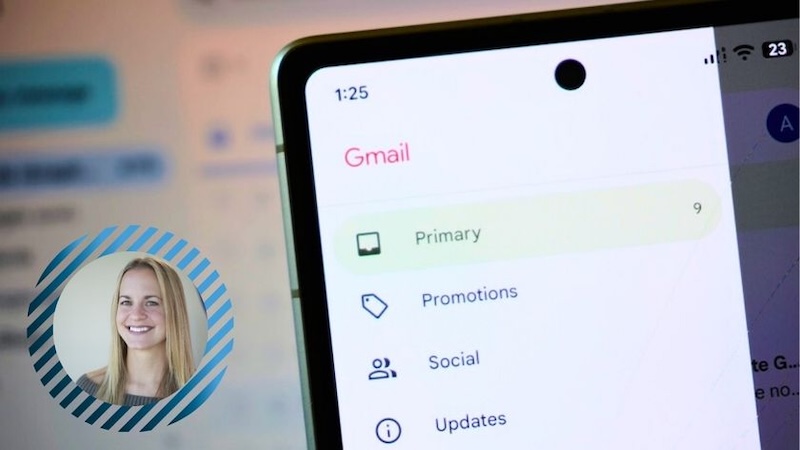
Beginning as early as October, holiday promotions start flooding email inboxes as marketers compete for end-of-year sales. To help consumers prepare, Gmail introduced new inbox updates so they can stay on top of promotions and purchases.
But these changes have implications that extend far beyond the season and Gmail’s userbase.
Marketers used to have a right to the inbox as long as their subscribers had opted in, but now, placement in the inbox is a privilege that needs to be earned and maintained. While compliance, domain authentication, and balanced content are foundational for bypassing spam filters, these practices alone are no longer enough to get attention. But that doesn’t mean marketers should try to game the system to land their promotional emails in Gmail’s Primary tab either. Instead, they should embrace what it takes to stand out in the Promotions folder—because it’s not the email purgatory everyone thinks it is.
Success now hinges on sending content that’s genuinely valuable to each contact. While not every subscriber will be affected by Gmail’s updates, the changes emphasize good practices and create new opportunities for marketers to connect in more intentional ways. Today’s inbox rewards brands that treat email as a symbiotic dialogue. And this will ultimately make for smarter marketing and stronger ROI.

Relevance is a Requirement
By giving users the option to sort their promotions by “Most Relevant,” Gmail is redefining how emails can be surfaced. Strategies based on timing and tactics like send-time optimization lose their impact when Gmail prioritizes messages based on whether a user actually interacts with a brand’s emails. That means only senders who repeatedly deliver value will stay top-of-inbox.
This shift makes unified data and artificial intelligence (AI)-powered segmentation table stakes. Our data shows that 87% of customers are more likely to click into an email if it’s personalized to them, so a holistic view of a customer’s behaviors and preferences is essential for being able to target contacts with content they’ll actually want. Tailoring messages based on customer behavior, from purchase history to browsing patterns, can turn relevance into measurable gains in clicks, conversions, and revenue.
Intentionality applies to transactional messages, too. With Gmail’s new Purchases tab, receipts, order confirmations, and shipping notifications have a dedicated space. Upsell moments could trigger Gmail’s algorithm to send your business-critical emails to the Promotions folder, creating a disjointed experience for the consumer. This sets the expectation that transactional messages should stay strictly transactional for accurate inbox placement.
Consistency Breeds Credibility
Having a strong reputation matters just as much as sending the right content; for instance, 31% of consumers in the UK say the sender’s identity most influences whether they open a message, outranking the subject line and preview text.
Reputation is especially significant with Gmail’s expanded Manage Subscriptions hub, which centralizes all of a user’s email subscriptions in one place and makes it effortless for them to opt out with a single click. The list is ordered by send volume, putting a spotlight on high-frequency senders. Since over-sending or pushing irrelevant messages can undermine trust and accelerate unsubscribes, marketers are forced to be more deliberate about how often they show up.
This sentiment extends to purchasing decisions: 70% of consumers emphasize that it’s important to them to buy from the right brand, and 69% of consumers express a preference for purchasing from brands they are already loyal to. The brands that earn this loyalty understand that engagement can’t happen only around promotions or discounts— it must be nurtured in the moments in between.
A Healthy List is a Happy List
But if you’re doing everything right and recipients do end up unsubscribing, it’s not a bad thing. Say it with me: List churn is healthy. Unsubscribes should no longer be viewed as complete failures; when uninterested contacts leave, they make room for a more engaged audience, improving deliverability and boosting open and click rates. This tells Gmail’s algorithm that your subscribers are genuinely responsive.
But being proactive about managing the disengaged subscribers can go a long way. Marketers can be more selective about what they send to less-active subscribers or exclude them from certain campaigns to effectively reward their most engaged audience. Preference centers can also give contacts control over what they receive and how often, which creates a natural opportunity for re-engagement campaigns. Offering these options shows genuine respect, which can turn a lapsed subscriber into a new brand advocate.
Earning the Inbox Pays Off
When someone browses their Promotions tab, they’re actively looking for offers and updates from brands they trust. Reaching these high-intent users can lead to higher conversions and stronger ROI, especially for marketers who automate and segment strategically. This benefits everyone: Marketers spend less effort on disengaged audiences, while subscribers receive content that aligns with their needs and expectations.
We’ve seen this play out in practice. By leveraging data to understand its audience’s preferences, Eggland’s Best shifted from generic email campaigns to behavior-based automation flows that delivered welcome messages, recipe inspiration, and product announcements to the segments most likely to engage. As a result, they saw an open rate 3 times higher and a click rate 6 times higher than the mass emails over the same 4-month period in 2024.
Those who embrace these changes—using AI to personalize thoughtfully, prioritizing consistency, and maintaining healthy lists—will unlock better visibility and stronger customer relationships. Gmail’s smarter inbox simply reinforces what smart marketers already know: Respect your audience, understand their behavior, and deliver something worth opening. Because in the end, deliverability isn’t about getting into the inbox; it’s about making an impact once you’re there.
 Diana Williams is VP of Product Management at Intuit Mailchimp. She is a dynamic leader who excels at turning concepts into revenue-generating products in fast-paced environments. Her experience includes launching e-commerce and business platforms, with expertise in product strategy and accelerating high-quality product execution. Previously, she held leadership roles at technology startups and companies like Meta and eBay. She resides in the Bay Area.