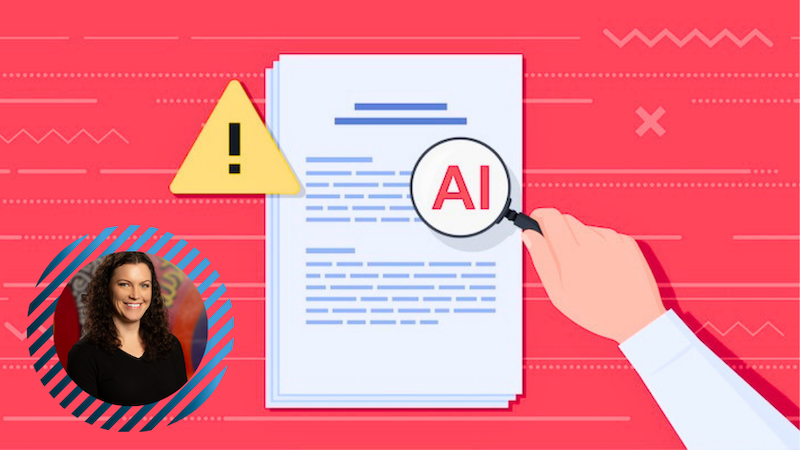
GenAI can do so many cool things. Written content generation is one of the most obvious capabilities, and I hate that for us. Writing is an expression of the human soul. Turning it over to a machine robs the world of unique insights and, honestly, the joy of reading.
But I can empathize with the allure of this functionality. First of all, the technology is mind-blowing. Second, we are all incredibly busy trying to stay on top of our workload. Perhaps no one more so than a company SME. When there’s a shortcut to speed up work, why not take it?
AI can be helpful for content creation, but it is not a (good) writer on its own. Since GenAI took the world by storm, my B2B SaaS PR agency has had a few clients send us AI-drafted bylines. While the intention is good — saving everyone time, using the custom AI for tone, etc. — these drafts create problems for both our clients and us. (Don’t let the emdash fool you. A real person wrote this. There’s a reason AI uses them — they are a useful writing device.)
So how do you handle what can be an awkward conversation? I start with the reasons we shouldn’t, and frankly, can’t submit these pieces.

AI Articles Reflect Poorly on the SME
Everyone is on high alert for AI tells, and many don’t look fondly on published work that feels AI-generated. We recently conducted a survey for our client, Skyword, on this subject. Three in 10 respondents said they’re less likely to buy or engage with a brand they suspect used AI content; 36% double check the fishy information elsewhere, which contributes to AI credibility fatigue.
We want the audience to trust our clients straightaway, and if their SME is out there sounding like AI, that reflects poorly on their brand. As a PR agency, our role is to make sure thought leaders and companies look good. AI-generated material won’t accomplish that.
AI Sells the SME Short
The SMEs we work with have abundant experience and incredible insights. Every story mining (what we call information gathering calls) has generated personal anecdotes and new perspectives. You know what doesn’t produce those? LLMs.
When you lean on GenAI to draft articles, you’re leaving out the most compelling parts of the story. These thought leaders are brilliant people whose thoughts deserve to shape the market, so we’ve got to get those ideas out there using human storytelling.
Editors Won’t Accept AI Content
Clients can’t argue with this. Most editors won’t accept something that sounds AI, and many publications have explicit guidelines on AI use. Trying to submit a computer-generated piece is a clear path to rejection and a good way to damage our clients’ and our agency’s relationship with the pub.
And perception is reality. If an editor or a reader suspects AI, the damage is done, whether it’s true or not. As you discuss the draft with your client, you can dig deeper into why they used AI and how you can close that gap.
That discussion could sound something like: This draft gives us a great starting point. We want to make sure we’re taking the right things off your plate. Could you walk us through how you approached creating this piece? Then you can explore what processes would work better in the future so they don’t feel the need to turn to AI.
Where AI Belongs in the Content Process
AI plays many helpful roles in drafting. The actual writing isn’t one, at least not without extensive prep work and editing.
LLMs can contribute to the brainstorming phase by:
- Distilling SME discussions.
- Surfacing differentiation.
- Zeroing in on the story or angle that appeals to the pub’s audience.
- Suggesting outlines.
After you’ve created the draft, AI can:
- Use the brand/SME bot to adjust tone, voice and preferred language.
- Check for alignment with the SME’s thoughts.
- Clean up the content.
This is not an exhaustive list, but it gives a general idea of AI’s best applications. Regardless of your use cases, establish transparency with your client. Explain to them how and why you use AI and communicate your expectations for them.
This is PR’s Time to Shine Through Content
Many brands are out there automating content generation. The trend toward sameness gives companies the chance to stand out with — gasp— a human touch.
As PR professionals, we’re deeply entrenched in our clients’ industries. We know what everyone’s talking about and where the gaps are. This insight allows us to support our clients in telling a new and different story, identifying where they can introduce fresh information to the conversation.
We have a responsibility to deliver quality content. Beyond not drafting with AI, we must pay close attention to our writing habits that mimic AI’s style, get specific with the information in the piece, and go out of our way to include the SME’s distinctive insights. This last one may require additional legwork, but it’s essential.
Crafting quality content is not easy, and it’s so tempting to just outsource it, even for us writers. However, taking the time to ensure it’s done right pays dividends. Clients may not always recognize the nuance and value of this effort, but they pay for our expertise. It’s our job to help them understand why we can’t just let the machine be the author. The conversation may be uncomfortable, but it leads to better results.
Related Stories
- PAN’s Zareen Fidlon on AI Credibility Fatigue, Trust Signals and Brand Visibility: The Demand Gen Report Q&A
- Personalization Still Isn’t Personal Enough in B2B Marketing
 Jen Walker is a Senior Content Specialist at PANBlast. She crafts long-form content on behalf of brands and SMEs, develops and executes content initiatives and supports public relations strategies. Prior to agency life, Jen was a content and social media specialist at Regenstrief Institute and spent 10 years as a local TV news producer. She is also a regular contributor to the Indianapolis Moms blog.