Key Takeaways
- Typeface advanced three products, Arc Graph, Arc Fabric and Arc Loop, into a single orchestration engine that closes the loop across channels, so real campaign results feed directly into what AI agents create next.
- The engine teaches AI to understand a brand deeply, builds agents around how each team actually works and gets smarter as campaigns perform, turning performance data into fresh, on-brand content rather than just tuned targeting.
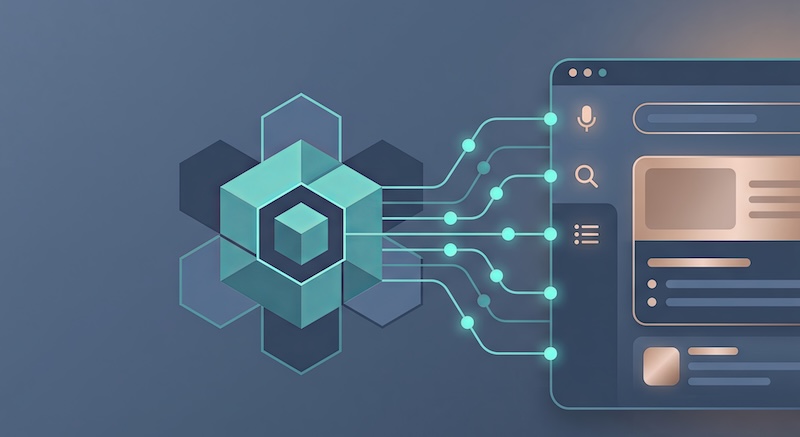
Typeface recently announced the next generation of its Orchestration Engine, advancing three products that now work as one system.
Arc Graph, Arc Fabric and Arc Loop work together to close the loop across channels, feeding real campaign results back into what agents create next, so every campaign starts smarter than the last.for closed-loop performance.
The web was built for a world where brands published fixed experiences and people navigated them. AI agents are changing that, and people now arrive with far more context about what they want. Typeface officials believe digital experiences will increasingly be assembled and adapted for the person, or agent, on the other side, grounded in a brand’s approved content and improved by what the system learns.
How Typeface’s Orchestration Engine Helps Brands Turn Customer Insight Into Action
For years, enterprises have had more insight about their customers than ever, but they couldn’t act on it. said Abhay Parasnis, Founder and CEO of Typeface.

“That is the bottleneck we set out to close,” said Parasnis in a statement. “The shift is teaching AI to understand a brand deeply, build agents around how each team actually works, and get smarter as campaigns perform— closing the loop from intelligence to execution and back, so every campaign makes the next one better. And it points to experiences that adapt to whoever is on the other side, whether a person or an AI agent.”
What Arc Graph and Fabric and Arc Loop Do Across the Marketing Workflow
Arc Graph is Typeface’s proprietary context layer, rebuilt from hand-configured rules into a system that extracts, validates, and enforces a brand at the moment AI creates. It turns brand guidelines into structured rules that Typeface, and now external AI tools, can apply. Arc Graph highlights includes a knowledge graph on what the organization has learned, held as structured, reusable knowledge that grows with every campaign, brand ontologies and voices; asset management and design system; and Arc Graph for Claude and ChatGPT: The same brand intelligence can extend beyond Typeface into the general AI tools teams already use.
Arc Fabric is the orchestration layer, bringing the power of modern AI coding platforms to marketing for the first time. It spans a runtime that powers agentic work, adaptive agents that carry it out across a team’s channels and systems, and a collaborative workspace where people and agents create together. Instead of configuring one generic system for all, teams build agents tuned to their own workflows, systems, and channels.
Arc Loop is the optimization layer, and it closes marketing’s last mile, where performance data has long sat in a dashboard while the next campaign is built from best practice. This AI agent brings real performance data back into Typeface, turns it into grounded learnings, and feeds them into what agents create next, so every campaign builds on what the last one learned. Unlike point tools that optimize delivery inside a single channel, Arc Loop learns across channels and generates the next campaign from what it finds — turning performance into new, on-brand content, not just tuned targeting.
Arc Graph, Arc Fabric, and Arc Loop are available to enterprise customers today.